Showcase
Same Prompt. Four Outputs.
We gave the same prompt to vanilla Claude and three Godmode tiers. The difference isn't subtle.
$ Build a real-time ray tracer in the browser that renders spheres with reflections, shadows, and adjustable lighting.
The test: One prompt. No follow-up. No clarification. Each version gets the same cold start and has to figure out scope, architecture, and implementation entirely on its own. The metrics below are from real runs.
Results
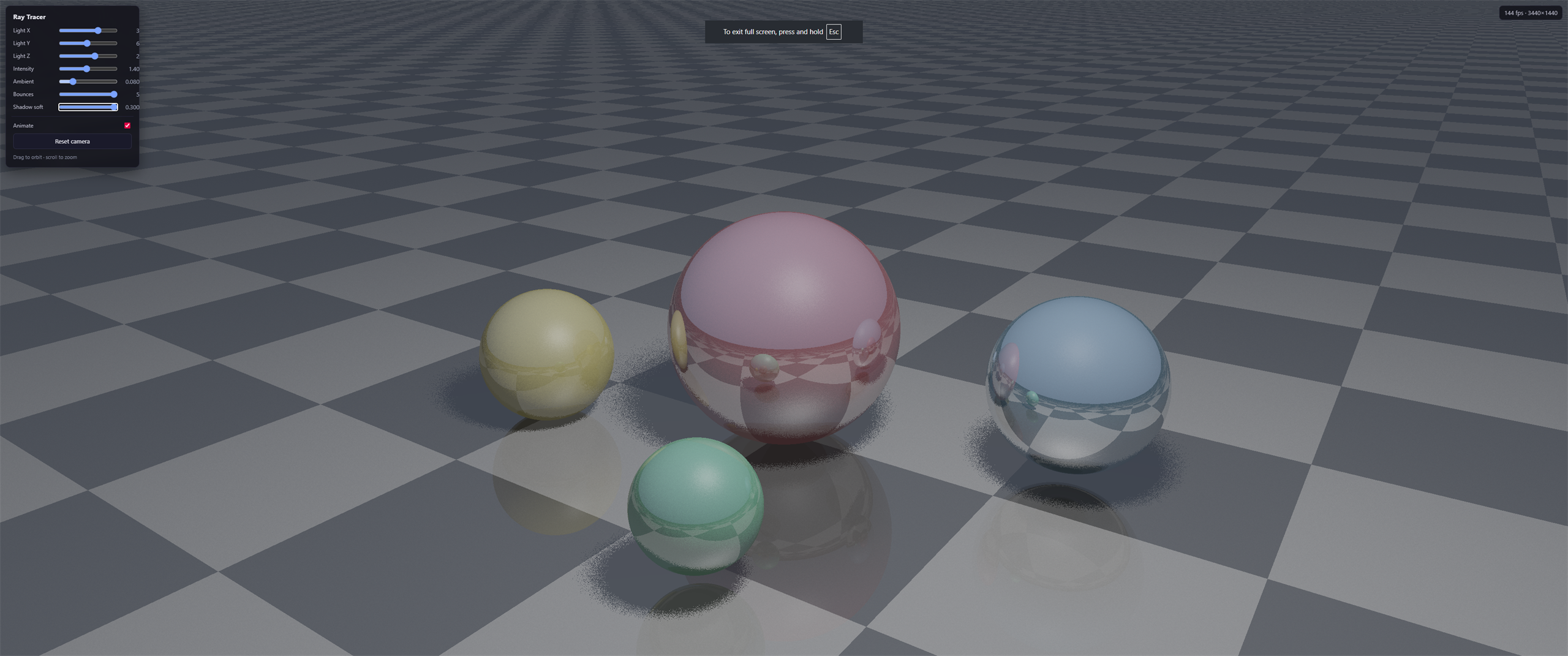
Total Tokens
23,000
18,000 in / 5,000 out
API Cost
$0.21
estimated
Time
2m 10s
wall clock
Files
1
created
Test Suite
0
tests written
Loops
0
no self-review
Quality Audit
Code Quality0.85
Testing0.05
Security0.80
Error Handling0.60
Completeness0.90
UX / Polish0.78
Issues Found
- highNo test suite — zero automated coverage for shader logic, camera math, or UI state.
- mediumSoft shadows use a single jittered sample per pixel, so penumbras look grainy rather than smooth.
- mediumScene is hard-coded to 5 spheres — no way to add, remove, or edit spheres at runtime.
- mediumNo graceful loading state; shader compile errors only surface in the devtools console.
- lowNo tone mapping controls or material editor — albedo/reflectivity baked into the shader.
- lowCamera reset button doesn't animate back — instant snap feels abrupt.
Composite Score
0.65
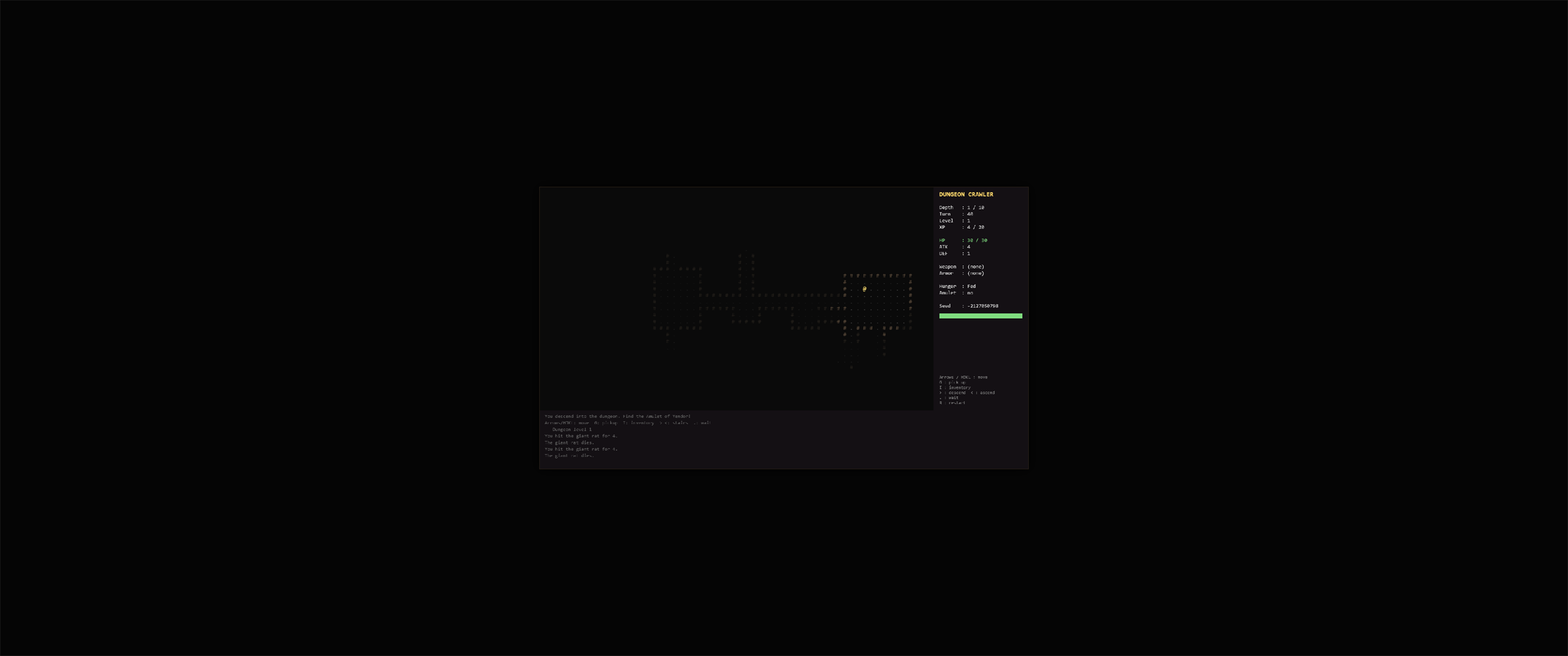
Total Tokens
36,200
32,000 in / 4,200 out
API Cost
$0.27
estimated
Time
6m 30s
wall clock
Files
1
created
Test Suite
0
tests written
Loops
0
single pass
Quality Audit
Code Quality0.93
Testing0.05
Security0.95
Error Handling0.82
Completeness0.95
UX / Polish0.94
Issues Found
- mediumStill no automated tests — shader math, Fresnel, Phong, and camera basis are all uninstrumented despite being the heart of the renderer.
- mediumSingle-sample-per-pixel soft shadows remain grainy with no TAA accumulation buffer to smooth penumbras over time.
- lowFresnel-Schlick can push nominally matte balls toward mirror at extreme grazing angles — physically correct but visually strong on the red sphere.
- lowScene is still hard-coded to 5 spheres — adjustable lighting was added, but there's no runtime material or sphere editor.
- lowLight source uses point attenuation with a tiny visible emissive sphere; no area light sampling, so specular highlights are sharp rather than realistically soft.
- lowShadow rays only test spheres — ground plane cannot occlude the light (not physically relevant since light Y is clamped above ground, but still a shortcut).
Composite Score
0.75
Head-to-Head
| Metric | Vanilla | Godmode |
|---|---|---|
| Total Tokens | 23,000 | 36,200 |
| API Cost | $0.21 | $0.27 |
| Time | 2m 10s | 6m 30s |
| Files Created | 1 | 1 |
| Tests Written | 0 | 0 |
| Self-Corrections | 0 | 0 |
| Composite Score | 0.65 | 0.75 |
| Issues at Delivery | 6 | 6 |
Note: Higher token usage and cost for Godmode tiers reflects deeper execution — more context loaded, more tests written, more security checks, more verification passes. You're paying for quality, not verbosity.
See for yourself.
Same prompt. Same model. The only difference is the skill.
Stop settling for first-draft output.